
TEMPO.CO, Jakarta - The year 2026 has been marked by increasingly volatile geopolitical and economic conditions across the globe, including in Europe. One of the major drivers behind this instability has been the escalating conflict in the Middle East, alongside the ongoing war between Russia and Ukraine.
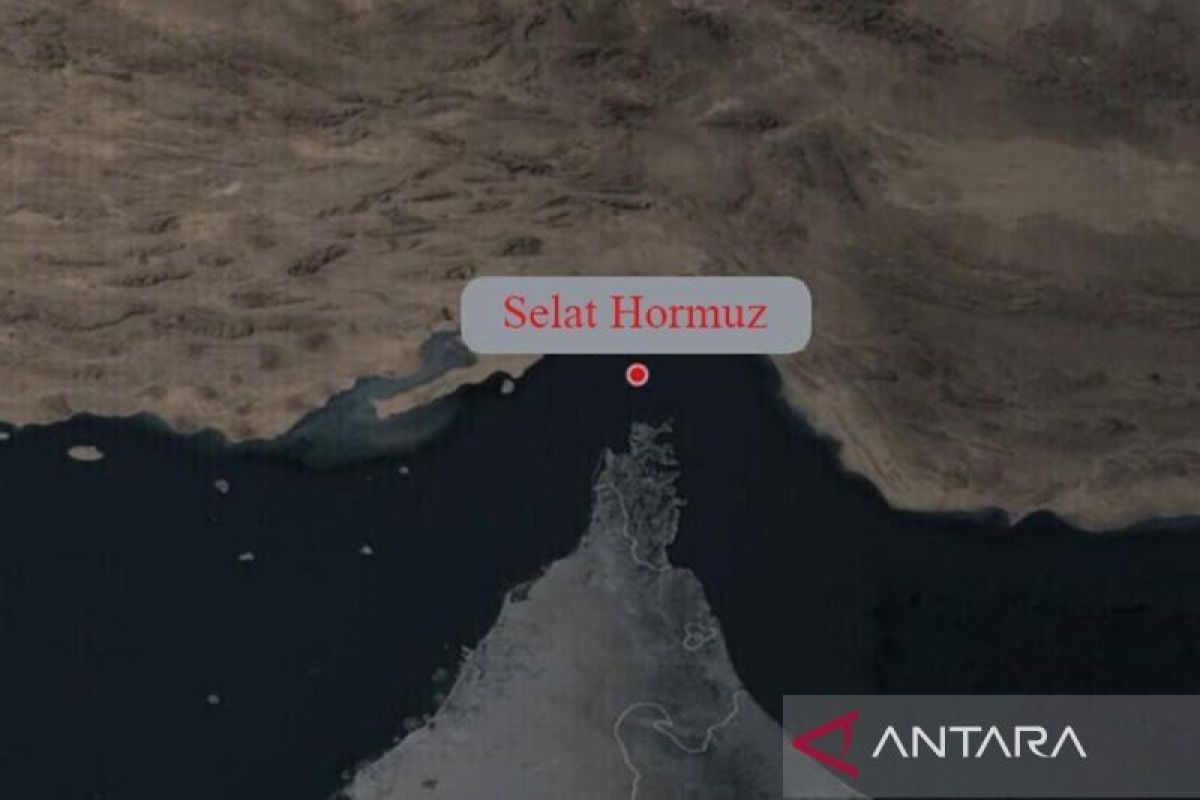
Erupting in February, the conflict involving Iran and the joint U.S.–Israel strikes significantly affected not only the region but also the wider global economy, largely due to the Middle East’s role as a backbone of global energy supply. With the Strait of Hormuz located within waters controlled by Iran, disruptions to one of the world’s most critical shipping routes quickly impacted international trade. The result was a sharp surge in energy costs, supply chain disruptions, and broader inflationary pressures worldwide.
A similar pattern was seen in the Russia-Ukraine war, which also triggered major spikes in global energy prices. Many European countries had long relied on Russia for natural gas, oil, and industrial metals, making the continent particularly vulnerable to external supply shocks.
These prolonged external shocks have continued to shape consumer prices across Europe. A report from Eurostat and the UK Parliament reflected that pressure, showing that inflation remained elevated in several countries, with some even posting the highest inflation rates in Europe.
With an annual inflation rate of 9.0 percent, Romania, the largest economy in Southeastern Europe, has been grappling with a threefold crisis: persistently high inflation, an economic recession that has lasted for months, and a prolonged political crisis that has complicated efforts to stabilize the economy.
At the same time, Bulgaria drew attention when it officially adopted the euro in early 2026. The move had already sparked public concern that joining the eurozone could contribute to rising consumer prices, as Visual Capitalist noted. To some extent, its inflation rate of 6.2% has reinforced those concerns.
Here’s the complete list of the top 10 countries with the highest inflation in Europe, based on year-over-year inflation rates as of April 2026.
Countries with the Highest Inflation in Europe (April 2025 – April 2026)
1. Romania – 9%
2. Kosovo – 6.5%
3. Bulgaria – 6.2%
4. Croatia – 5.4%
5. Luxembourg – 5.2%
6. Iceland – 5%
7. Lithuania – 4.9%
8. North Macedonia – 4.9%
9. Greece – 4.6%
10. Georgia – 4.6%
Read: 10 Weakest Currencies in the World, As of May 2026
Click here to get the latest news updates from Tempo on Google News
IMF Warns of Middle East War's Impact on the Global Economy
13 hari lalu

IMF Managing Director Kristalina Georgieva warned that a prolonged Middle East war could hit the global economy harder, with oil at US$125/barrel.
Bank Indonesia Maintains Benchmark Interest Rate at 4.75%
26 hari lalu
Bank Indonesia (BI) has decided to maintain the benchmark interest rate or BI Rate at the level of 4.75 percent.
Rupiah Strengthens Ahead of Bank Indonesia Board Meeting Decision
27 hari lalu

The exchange rate of the Indonesian rupiah on Tuesday, April 21, 2026, closed at 17,142 per U.S. dollar.
IMF: EU at Risk of Recession, Inflation Close to 5%
32 hari lalu

IMF expects the ECB to raise rates by 50 basis points by the end of 2026 amid rising short-term inflation expectations.
Rupiah Weakens: How It Affects Indonesian Households
38 hari lalu
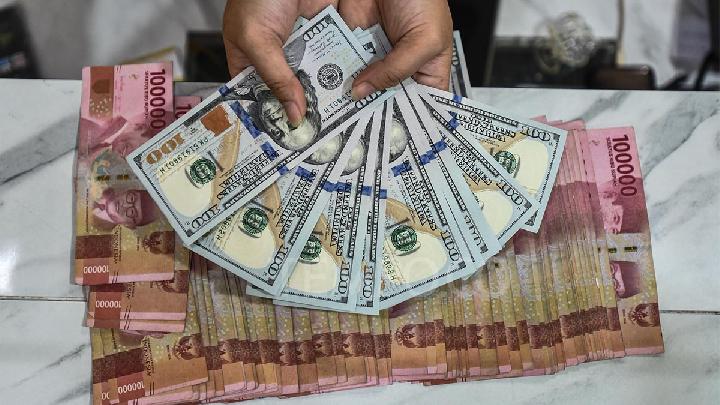
The weakening of the rupiah risks raising the prices of imported consumer goods and gradually driving inflation.
Indonesian Rupiah Slides to 17,104 Against US Dollar
38 hari lalu

The rupiah's exchange rate is predicted to fluctuate and weaken over the next week.
Purbaya Claims March Inflation Lower Than BPS Data Suggests
42 hari lalu

Finance Minister Purbaya Yudhi Sadewa disputes BPS inflation data, claiming March 2026 inflation is 2.51% despite reported figures of 3.48%.
Indonesia's Annual Inflation Hits 3.48% in March 2026
48 hari lalu
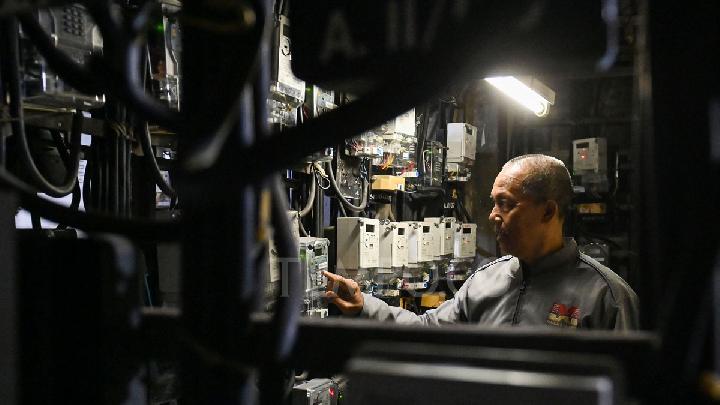
Inflation in March 2026 is still affected by the low-base effect caused by the discount on electricity tariffs.
OECD Cuts Indonesia's Growth Projection to 4.8% Amid Middle East War
49 hari lalu

OECD also cuts the prospect of global economic growth this year to 2.9 percent.
IMF: U.S. Military Action Against Iran Risks Driving Global Inflation
59 hari lalu

Military operations by the United States and Israel against Iran could push up global inflation if the conflict drags on, IMF spokesperson said.




























:strip_icc():format(jpeg)/kly-media-production/medias/5414491/original/012054700_1763287155-530668458_18471777553074306_380593477510268437_n__1_.jpg)



:strip_icc():format(jpeg):watermark(kly-media-production/assets/images/watermarks/bola/watermark-color-landscape-new.png,1125,20,0)/kly-media-production/medias/6007179/original/011565500_1778899711-20260512BL_Portrait_John_Herdman_24.jpg)