TEMPO.CO, Jakarta - The relationship between the United States (US) and Iran has entered a new phase of tension after peaceful negotiations over the weekend reached a stalemate. This follows the sudden attack by Israel, backed by the United States, at the end of February.
The US has increased its military presence, including deploying naval fleets and air defense systems before the end of February around the West Asia (Middle East) region under the pretext of supporting protests in Iran claimed to be against the regime. Iran then raised its military readiness and issued strong warnings against potential aggression.
The open conflict erupted when Israel, backed by the United States, launched an attack on Iran on February 28, resulting in the death of the Supreme Leader at the time, Ali Khamenei. In addition to Khamenei's death, the series of attacks also caused more than 3,000 casualties until the second week of April.
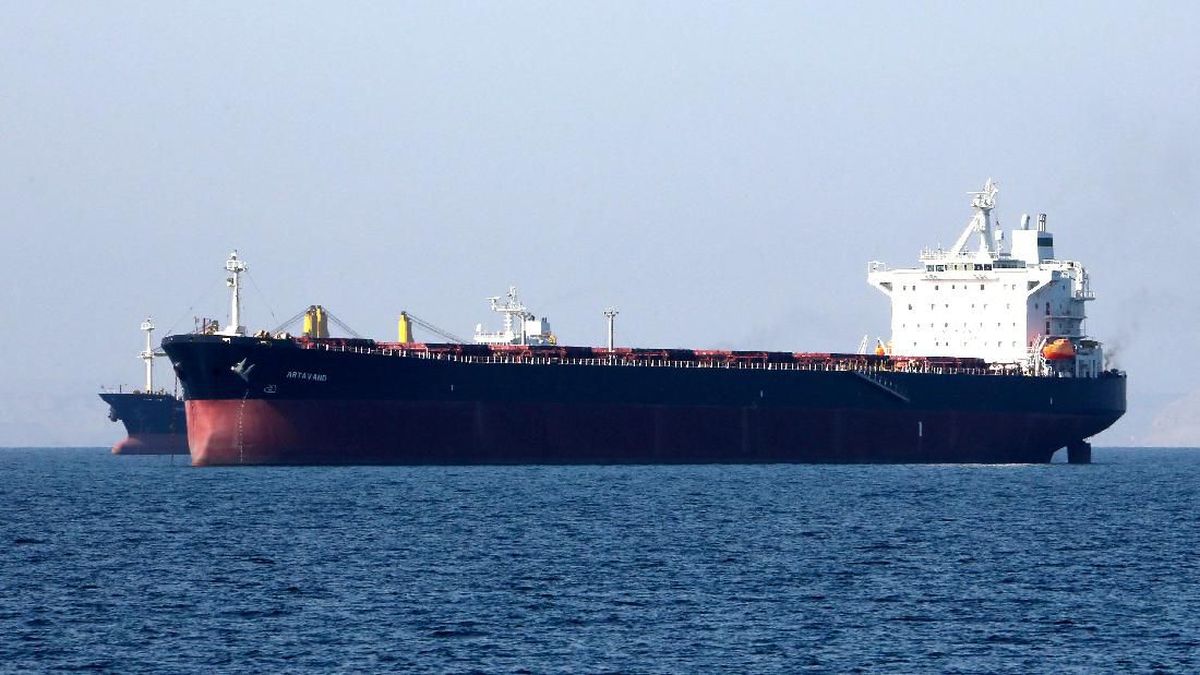
In response to threats to its sovereignty, Iran retaliated with drone and missile attacks targeting Israel, as well as Jordan, Iraq, and Gulf countries where US military assets are located. Iran also restricted the movement of ships through the Strait of Hormuz.
This situation quickly escalated into a regional crisis. The global energy trade routes passing through the Strait of Hormuz were threatened, causing oil prices to fluctuate.
As the escalation intensified and the conflict spread to Gulf countries and Lebanon, a narrow gap appeared in the form of a temporary ceasefire for two weeks, opening space for Iran-US diplomacy.
Amid international pressure, the United States and Iran agreed on Tuesday to hit the pause button through a two-week ceasefire mediated by Pakistan.
However, the ceasefire has been viewed as fragile from the outset. Iran still harbors suspicions against the United States, which is often accused of violating agreements. Conversely, the United States is suspected of using this pause to strengthen its position in the Strait of Hormuz.
Here, ANTARA summarizes the developments of the temporary ceasefire until the Islamabad, Pakistan negotiations:
Iran's Proposal
During the ceasefire, Iran submitted a series of demands outlined in a proposal.
Out of the 10 points proposed, it is clear that Tehran not only seeks to stop the conflict, but also aims to change its strategic position.
Tehran demands a complete halt to US military operations, with assurances of no future attacks. Additionally, Tehran also raised the issue of compensating for damages caused by the conflict.
The most crucial point is the demand for the lifting of economic sanctions. For years, sanctions have been the main pressure on Iran. By including this point, Tehran explicitly uses negotiations as a tool to restore its economy.
In the strategic sector, Iran also seeks recognition of its right to enrich uranium, as well as the cancellation of all International Atomic Energy Agency (IAEA) resolutions. This reaffirms Tehran's desire to continue developing its nuclear program for peaceful purposes, a core issue that has long been a source of tension with Washington.
Not stopping there, Iran also seeks a reduction of US military presence in the Middle East region. In one of the most sensitive points, Iran is also seeking to maintain strategic control over vital world energy routes, including the Strait of Hormuz.
US Proposal
In contrast to Iran, the United States did not offer a major deal directly, but instead started with a temporary ceasefire as an initial step.
However, rather than opening the dialogue, Washington's proposal, consisting of 15 points, reflects unilateral demands that defend Israel's interests in the security, nuclear, and geopolitical aspects of the region.
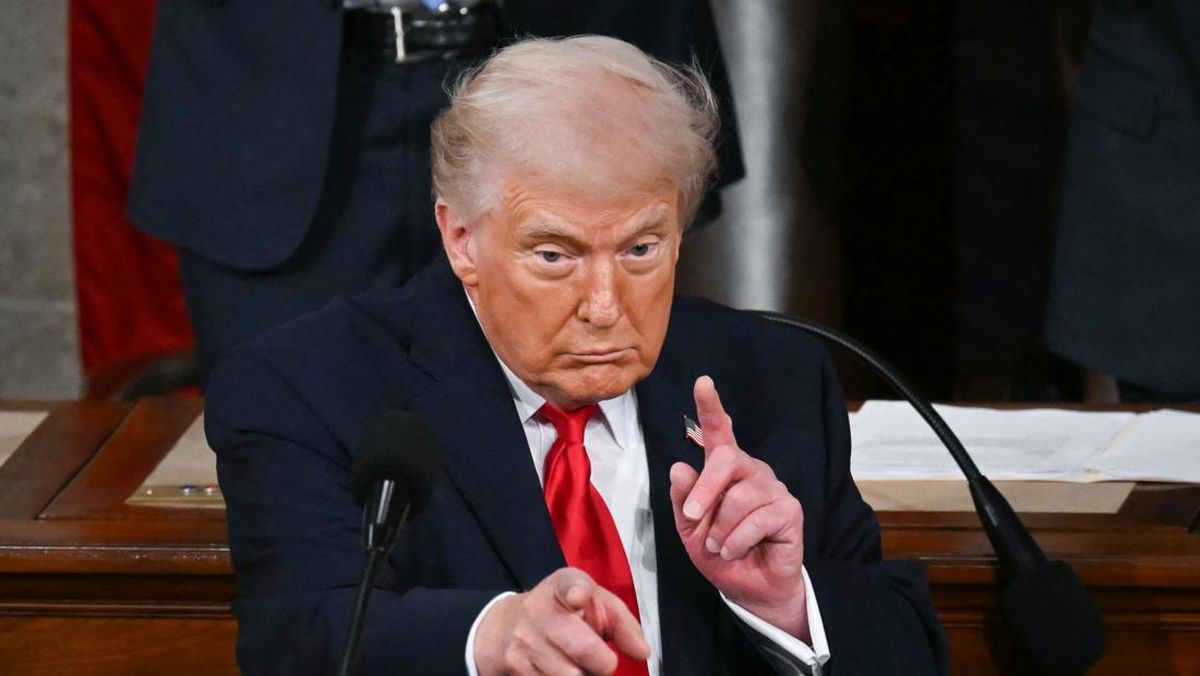
The Trump administration demands Tehran to cease all uranium enrichment activities and surrender all produced uranium stocks. This step is claimed to be an effort to ensure that Iran is no longer able to continue its nuclear program.
In the military sector, the United States demands Iran to stop missile production completely, including dismantling weapon production facilities.
Regarding the Strait of Hormuz, Trump demands that Iran ensure the open passage of the global energy shipping route. He even proposed joint management of toll fees or tariffs for the Strait of Hormuz with Tehran.
Initially, Iran did not immediately reject the proposal. The Tehran government considered it as a general framework. However, in the end, it rejected it on the grounds that the demands made were excessive and unrealistic.
Main Obstacles
The fundamental differences between the two proposals have led to obstacles in the negotiations. Iran seeks a permanent agreement that addresses the root of the problem, while the United States prefers a gradual approach.
The nuclear issue and the Strait of Hormuz are expected to be the most crucial debating points in the negotiations.
Israel-Lebanon
On the other hand, Israel's attacks on Lebanon have further dampened optimism for the progress of the negotiations. One day after the ceasefire was agreed upon, on Wednesday, Israel launched a major airstrike in the Dahiyeh region in southern Beirut, Lebanon.
The attack was recorded as the largest wave since the outbreak of the conflict between Israel and the Lebanese fighter group, Hezbollah, on March 2. The attack reportedly killed more than 300 Lebanese citizens, the majority of whom were civilians.
Iranian President, Masoud Pezeshkian, warned that the continuation of Israel's attacks on Lebanon could render the ceasefire negotiations with the United States "futile."
Iran views this attack as a violation of the spirit of the ceasefire agreement between Washington and Tehran. However, Trump argued that the cessation of Israel's attacks on Lebanon was not part of the agreement with Iran, citing the presence of Hezbollah activity.
Failed Negotiations in Islamabad
Efforts to bridge these differences were pursued through a meeting in Islamabad, which was expected to be a turning point towards a more concrete agreement.
The US delegation was led by Vice President J.D. Vance, and included special envoy Steve Witkoff and US President's son-in-law, Jared Kushner.
Meanwhile, the Iranian delegation was led by Parliament Speaker Mohammad Bagher Qalibaf, accompanied by Foreign Minister Abbas Araghchi and several other officials.
The negotiations held on Saturday became the longest of the year. Iran noted that the discussion lasted for about 24 to 25 hours.
However, the results were far from expectations. Vance stated that their side had presented demands that could and could not be accommodated, but Iran did not accept Washington's offer.
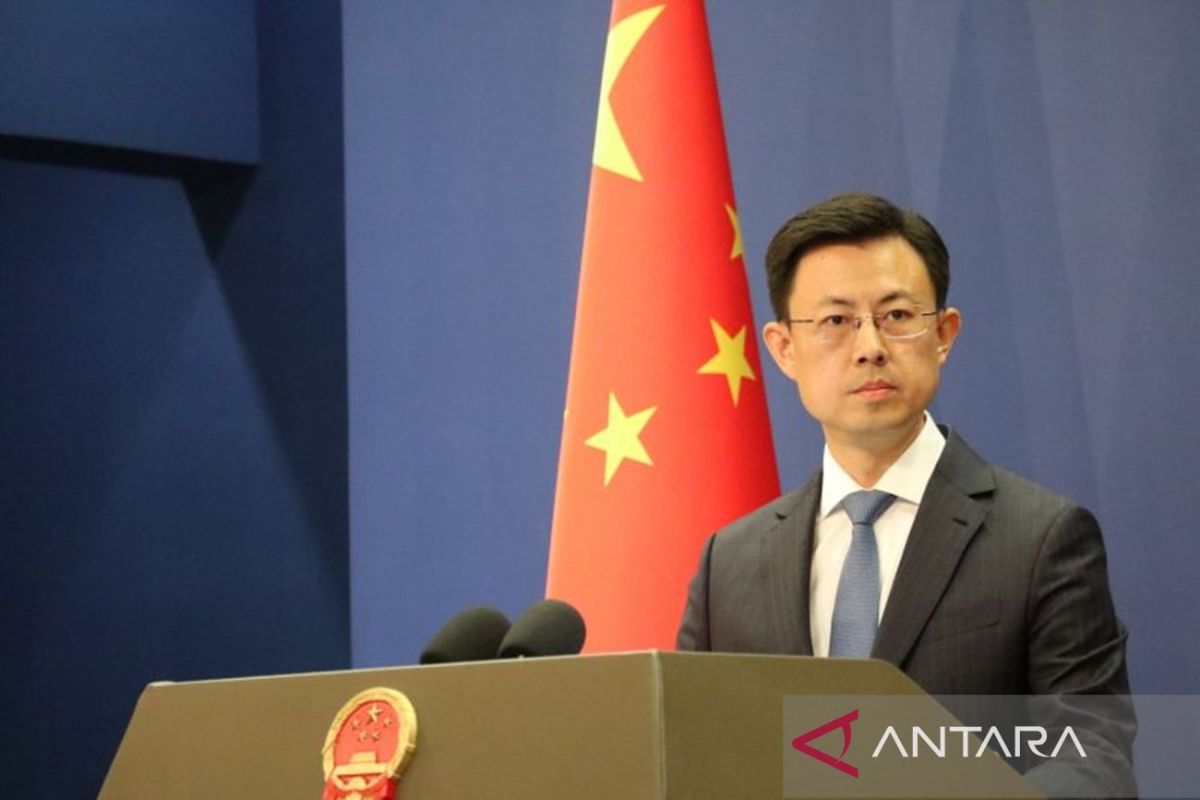
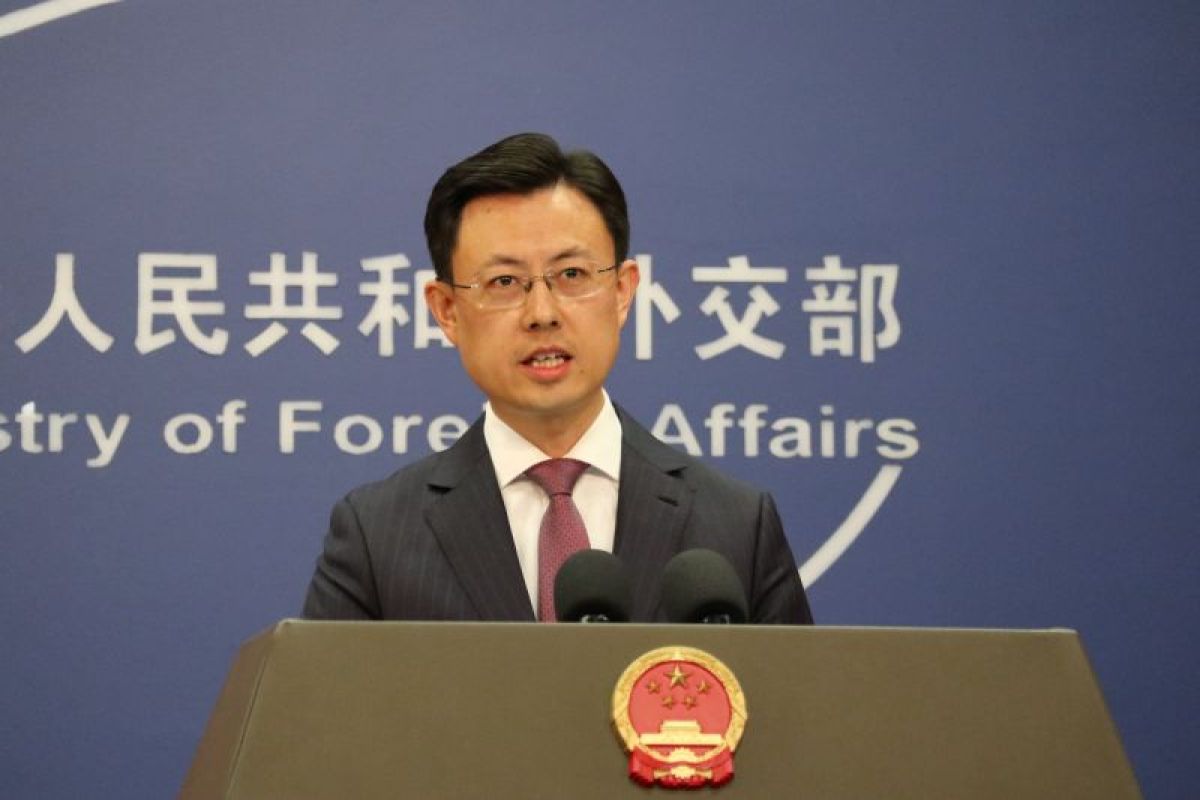
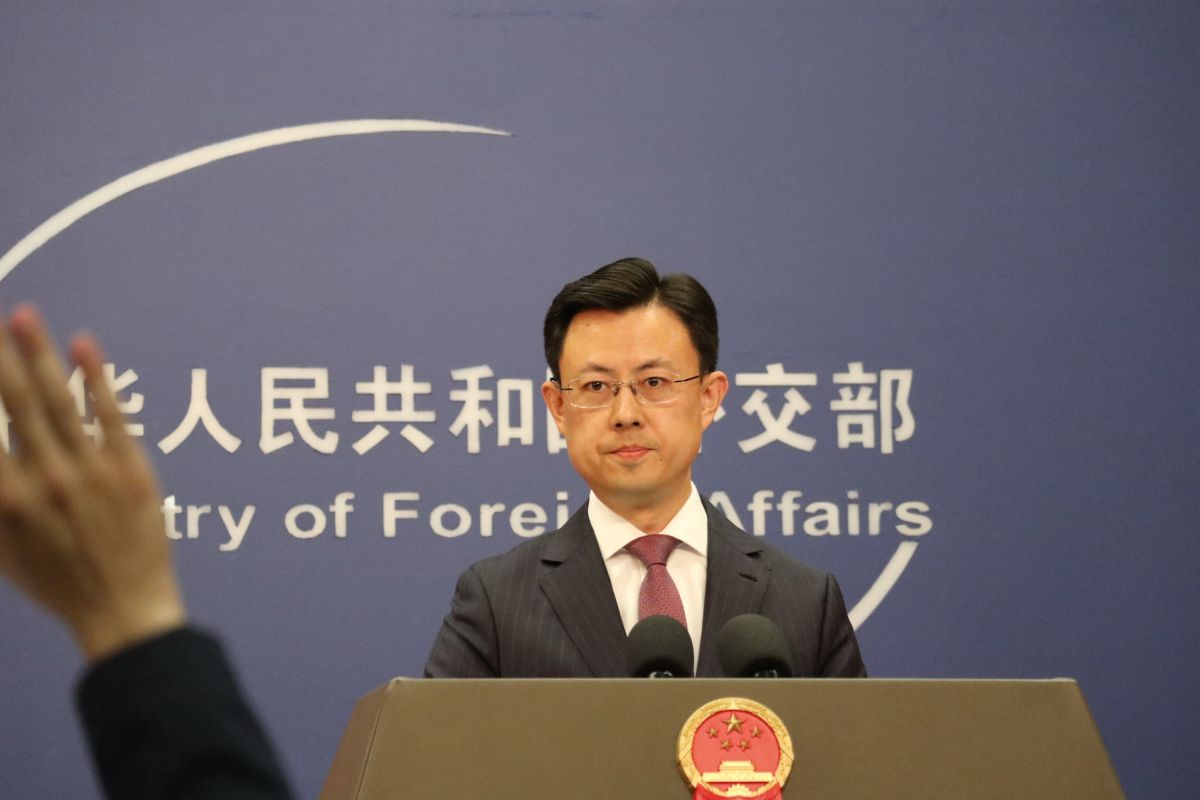
Although there was agreement on several issues, Iranian Foreign Ministry Spokesperson, Esmail Bagaei, revealed that there were still differing views on two to three crucial issues. This resulted in the negotiations in Islamabad failing to produce an agreement.
The Strait of Hormuz was one of the main issues causing sharp differences, as Iran insisted on maintaining its military presence in that body of water, as reported by the Tasnim news agency.
This failure shows that despite the open dialogue, the gap in interests between the two countries is still too wide to bridge in a short period of time.
Optimism for Continued Negotiations
Although the talks in Islamabad ended in a stalemate, the possibility of reaching a longer-lasting ceasefire is not entirely closed.
Baqaei opined that it was "reasonable" if an agreement with the United States was not achieved in just one day of negotiations in Islamabad.
Trump also said that the talks were going well, with most of the points already discussed. However, the nuclear issue has yet to find a resolution as Iran refuses to halt its nuclear development ambitions, a right recognized as a member of the Treaty on the Non-Proliferation of Nuclear Weapons (NPT).
Regarding the Strait of Hormuz, Trump stated that a US naval blockade would soon commence, involving several countries.
Pakistan affirmed its commitment to continue facilitating the dialogue. Islamabad also hoped that both sides would continue efforts toward lasting peace and prosperity in the region, emphasizing the importance of commitment to the ceasefire.
Meanwhile, international relations observer Andrea Abdul Rahman Azzqy believes the opportunity for an agreement will be open if Tehran is given assurances.
"So, the middle ground will be reached, yes, if Iran gets security and sovereignty guarantees," she told Antara.
According to Andrea, the failure of negotiations since Saturday night in Islamabad reflects the wide gap in interests between Washington and Tehran.
Regarding the Strait of Hormuz, she believes that Washington should provide guarantees for the open trade routes according to international law.
A more realistic solution, in her opinion, is a joint monitoring mechanism between the United States and Iran under an international framework, rather than through unilateral dominance.
The temporary ceasefire between the United States and Iran is not the end of the conflict, but the beginning of a challenging negotiation phase. Behind this two-week pause, there is a tug of war of interests that will determine the future of the region.
International pressure, especially from countries with interests in the stability of the region and the global energy market, will continue to play a crucial role in pushing both parties to find a middle ground.
The end point of the US-Iran conflict will be determined by the willingness of both countries to change their approach to achieve a more enduring peace, while the world waits for certainty with full vigilance.
Read: Iran Seeks 'Balanced' Deal but Cites US Double Standards
Click here to get the latest news updates from Tempo on Google News




















:strip_icc():format(jpeg):watermark(kly-media-production/assets/images/watermarks/bola/watermark-color-landscape-new.png,1125,20,0)/kly-media-production/medias/5495647/original/074499000_1770385031-barba.jpeg)