The proposal of the Commission for the Acceleration of Police Reform is weak and lacks punching power. It began as a gimmick on President Prabowo’s part.
THERE is nothing surprising about the recommendations made by the Commission for the Acceleration of Police Reform. As we suspected from the outset, this team was merely a ploy by President Prabowo Subianto to respond to public anger over police repression in the handling of the August 2025 public protests.
This anger peaked when a Mobile Brigade tactical vehicle ran over online motorcycle taxi driver Affan Kurniawan during the protests. Motorcycle taxi drivers and the general public were equally disgusted with the behavior of members of the House of Representatives (DPR). The public was upset with how they flaunted their wealth, along with police corruption, which had frequently circumvented the law.
When demonstrations broke out, political actors attempted to exploit the situation. The military officers, as was revealed in a Tempo investigation, attempted to incite unrest to delegitimize the police. Several houses of members of the DPR were raided and ransacked by mobs believed to have been told to do so by the military. The death of Affan Kurniawan brought other groups together, with the police as their common enemy. Demands began for the President to dismiss the National Police Chief.
Thus, the recommendations for police reform submitted to the President failed to touch the root of the police problem, which is rotten to the core. The Police Reform Acceleration Commission was also packed with an unprogressive team. Prabowo even allowed legal experts, such as former Constitutional Court Chief Justice Jimly Asshiddiqie; former Coordinating Minister for Political, Legal, and Security Affairs Mahfud Md.; and Coordinating Minister for Law, Human Rights, Immigration, and Correctional Affairs Yusril Ihza Mahendra, to be surrounded by police generals who pressured them not to propose any radical improvements.
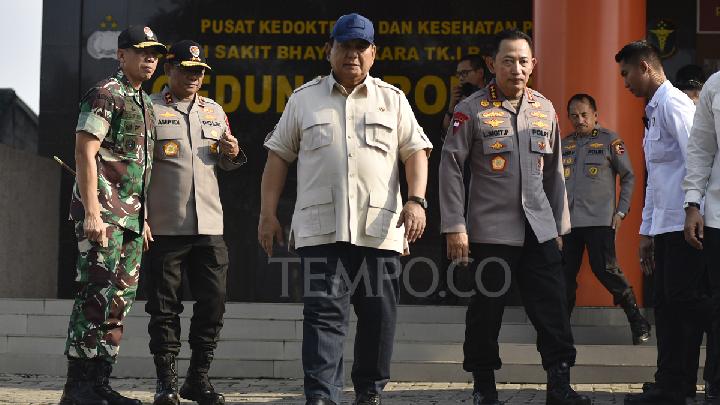
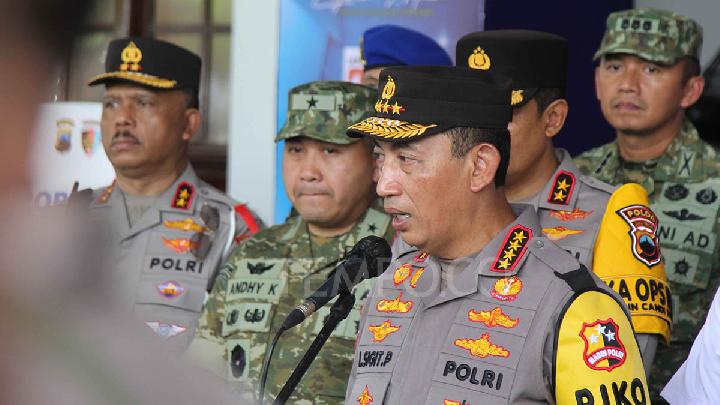
Such hollow recommendations were also predictable when President Prabowo allowed National Police Chief Gen. Listyo Sigit Prabowo to form his own reform team when the commission established by the President had yet to be formed. Prabowo was unaffected by his subordinate’s blatant defiance.
Prabowo relies on the National Police, particularly Police Chief Listyo Sigit Prabowo, to implement his major projects. The police have established free nutritious meal kitchens, easing the burden of the shambolic National Nutrition Agency (BGN). Listyo also mobilized regency and subdistrict police to ensure corn self-sufficiency.
As if by magic, several areas not known for their corn production suddenly saw bumper crops. Listyo’s removal could also damage Prabowo’s relationship with his predecessor, Joko Widodo. Listyo was a presidential aide during Jokowi’s first term. He previously served as the Chief of the Solo City Police Department in Central Java during Jokowi’s presidency.
Of the six recommendations—condensed into four pages from a 3,000-page review—the clearest one was to strengthen the National Police Commission (Kompolnas). The Commission for the Acceleration of Police Reform eliminated the idea of placing the Police under the National Security Ministry, limiting the term of office of the National Police Chief, and reforming the militaristic mentality of the Mobile Brigade.
Thus, the Commission failed to recommend the police organization to be placed under a government ministry. As such, candidates for National Police Chief are still nominated by the President to be chosen by the House of Representatives using a process that clearly lacks transparency. With this type of election process in place, it is difficult to expect the National Police Chief to work for the benefit of the force and the wider community.
The Police Chief is expected to fulfill the political needs of the President and the House. Police representatives on the Police Reform Acceleration Commission argued that the DPR’s selection of the National Police Chief is necessary because they need the DPR as a partner in setting budgets and other policies.
One commendable recommendation of the Commission is the placement of active-duty police officers in government ministries and state institutions. The Commission requested restrictions on non-police positions, in line with Constitutional Court Decisions No. 114/PUU-XXIII/2025 and No. 223/PUU-XXIII/2025. The Constitutional Court prohibits police from holding civilian positions or positions outside the police institution, unless they retire or resign. In its recommendations, the Commission addressed the controversy surrounding the placement of active-duty officers, which can be done as long as they are put on special assignment by the National Police Chief.
Ultimately, the decision rests with President Prabowo. If he only seeks political gain, the police force will continue to deteriorate.
Prabowo Wants Reform of All State Institutions, Not Only Police
12 hari lalu
Prabowo sees the need for broad institutional reform, with the police prioritized as the main law enforcement agency under public scrutiny.
6 Police Reform Recommendations Submitted to Prabowo
12 hari lalu
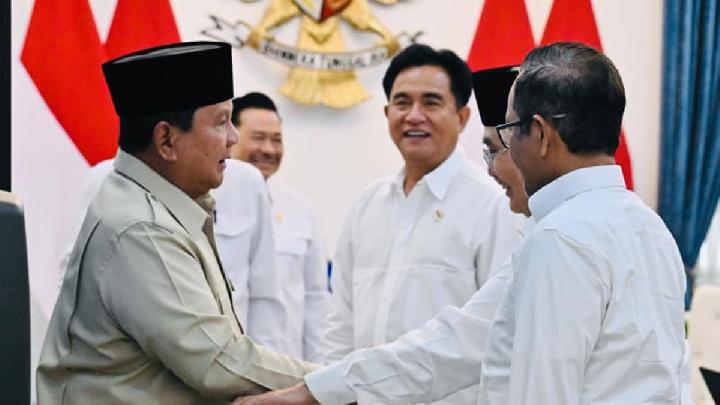
A commission has submitted a final report to President Prabowo outlining six recommendations to reform the police institution.
Police Reform: How Far Has It Gone
8 Maret 2026
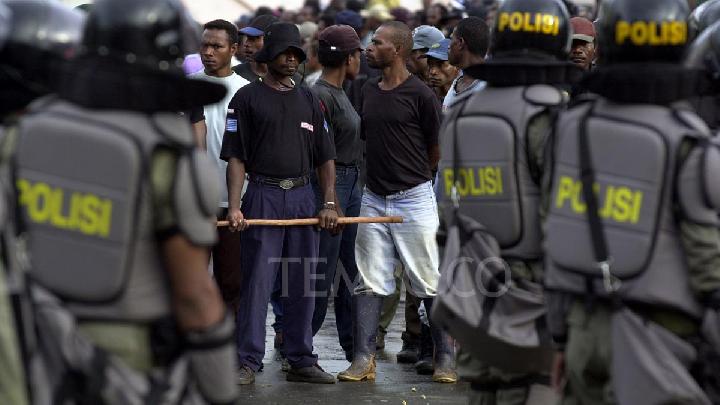
The Police Reform Commission has not issued any recommendations. The police continue to cause more problems.
Deep-Rooted Corruption in the Police Force
6 Maret 2026
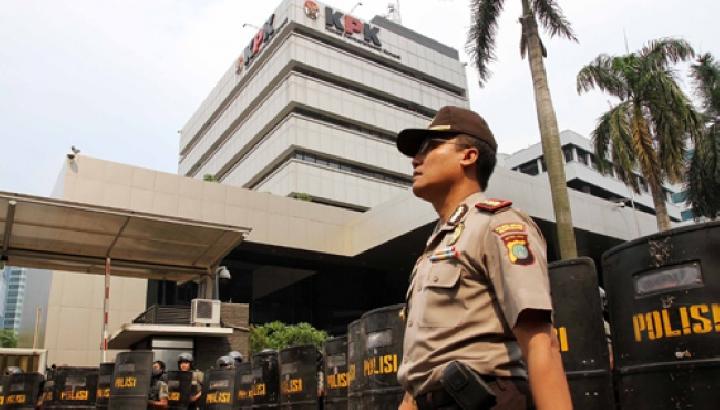
Drug dealers routinely giving money to police officers demonstrates the institution's systemic corruption. Comprehensive reform is needed.
BEM UI to Stage Protest Demanding Police Reform Today
27 Februari 2026
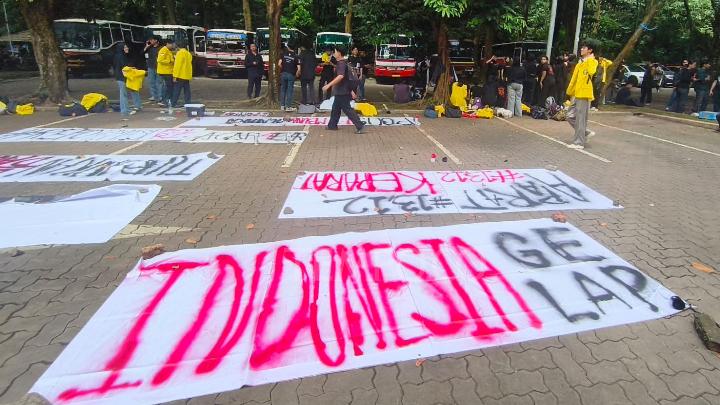
The protest today was triggered by the assault committed by a police officer in Maluku.
'Police Reform Is Fruitless': Maluku Student's Death Triggers Protest in Yogyakarta
25 Februari 2026
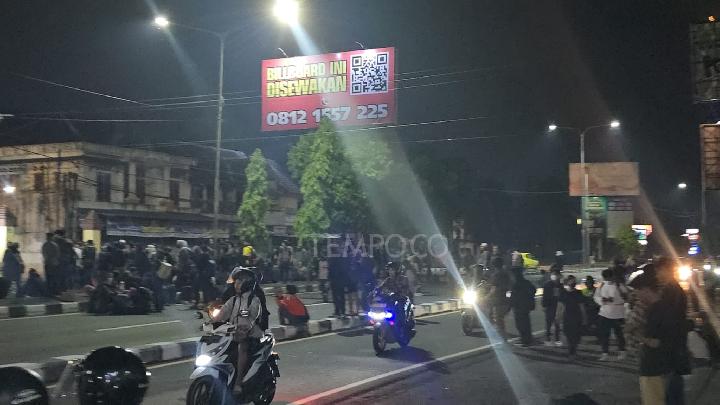
Protesters flocked to the headquarters of Yogyakarta Regional Police in response to the death of a student in Tual, Maluku.
New Ministry Proposed to Oversee Indonesian Police
29 Januari 2026
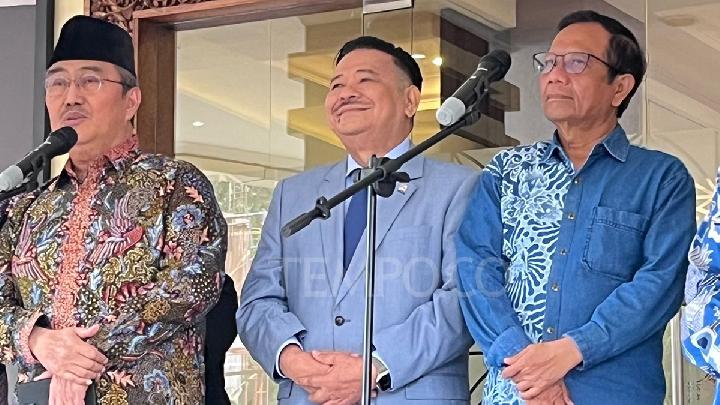
A proposal to establish a National Security Ministry surfaced during a meeting of the Commission for the Acceleration of Police Reform.
Superficial Police Reforms
29 Januari 2026
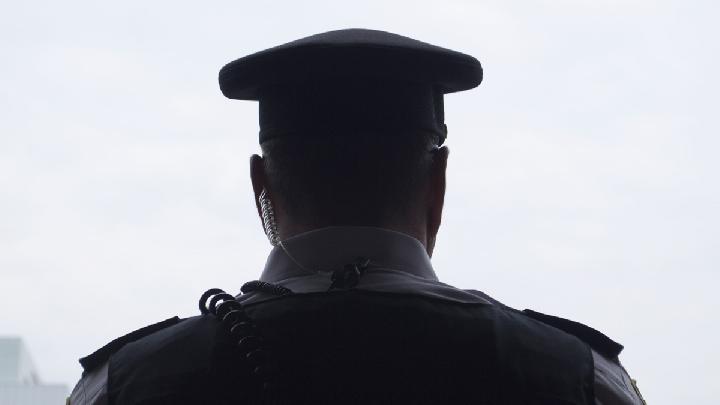
The Commission for the Acceleration of Police Reforms is busying itself with tinkering with the institution.
















:strip_icc():format(jpeg)/kly-media-production/medias/5414491/original/012054700_1763287155-530668458_18471777553074306_380593477510268437_n__1_.jpg)



:strip_icc():format(jpeg):watermark(kly-media-production/assets/images/watermarks/bola/watermark-color-landscape-new.png,1125,20,0)/kly-media-production/medias/6007179/original/011565500_1778899711-20260512BL_Portrait_John_Herdman_24.jpg)